Common Mistakes in Property Management to Avoid
An insightful guide detailing frequent pitfalls in property management and how to avoid them, ensuring a smooth operation and happy tenants.
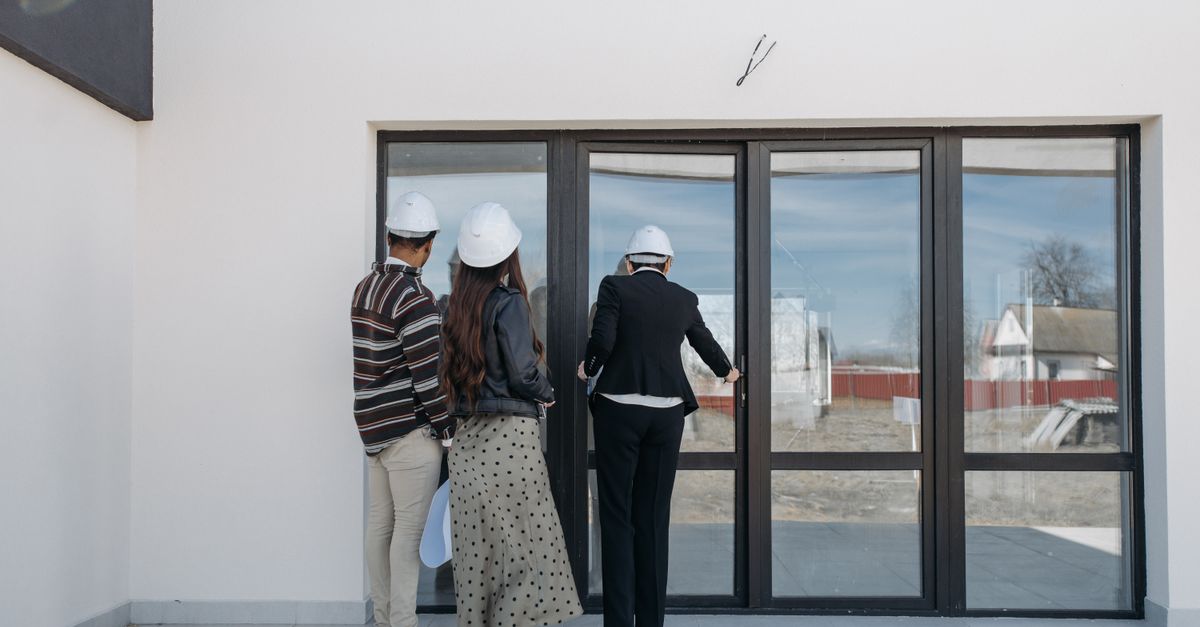
Overlooking Tenant Communication
Clear communication can prevent many issues that arise in property management. For instance, promptly informing tenants about maintenance schedules or potential disruptions shows respect for their time and living space. This approach helps build trust, making tenants more likely to report problems early rather than waiting until they become significant.
Additionally, engaging with tenants through surveys or feedback forms can provide valuable insights into their experiences. This proactive approach allows property managers to identify common concerns, leading to strategic improvements in property management practices.
Neglecting Proper Maintenance
Property managers should prioritize preventive maintenance tasks, such as HVAC servicing and plumbing inspections. This not only extends the life of property systems but also enhances the overall tenant experience. Tenants are more likely to renew their leases if they see that their living environment is well cared for and responsive to their needs.
Moreover, maintaining good relationships with reliable contractors can ensure that repairs are handled efficiently. This network can be invaluable in emergencies, allowing property managers to respond quickly to tenant concerns and minimize disruption.
Ignoring Local Laws and Regulations
Regular training and updates on local legislation are vital for property managers. Engaging with legal professionals or attending industry seminars can provide valuable insights into recent changes that may affect property operations. This knowledge is crucial not only for compliance but also for creating a fair and transparent environment for tenants.
Additionally, incorporating these laws into lease agreements ensures that both parties understand their rights and responsibilities. Clear documentation can help avoid misunderstandings and foster a respectful landlord-tenant relationship.
Inadequate Tenant Screening Processes
A comprehensive screening process not only protects property owners but also contributes to a harmonious living environment. When problematic tenants are weeded out, the likelihood of disputes decreases, leading to smoother operations and happier residents.
Additionally, maintaining a clear set of criteria for tenant selection ensures that the process is fair and transparent. This can help in defending against potential discrimination claims while also attracting quality tenants who align with the property’s standards.
Failure to Set Clear Expectations
Clear expectations should be communicated from the outset. This includes not only the lease agreement but also informal discussions about property rules and tenant responsibilities. When tenants understand what is expected of them, they are more likely to comply, fostering a respectful and cooperative living environment.
Regular reinforcement of these expectations through reminders and updates can further support compliance. This proactive approach helps maintain order and reduces the likelihood of conflicts arising over misunderstandings.
Neglecting Financial Management
Regular financial audits and assessments can help identify areas where costs can be reduced or where additional revenue streams may exist. This proactive financial oversight supports better decision-making and can enhance overall profitability.
Moreover, engaging with financial advisors or using property management software can streamline financial operations, making it easier to manage budgets and financial reporting. This clarity can enhance the overall management process and ensure that properties remain financially viable.
Frequently Asked Questions
What are the most common mistakes in property management?
Common mistakes in property management include overlooking tenant communication, neglecting maintenance, ignoring local laws, inadequate tenant screening, failing to set clear expectations, and poor financial management. Addressing these issues proactively can lead to smoother operations and happier tenants.
How can I improve communication with my tenants?
Improving communication with tenants can be achieved through regular updates, feedback surveys, and establishing clear channels for reporting issues. Engaging with tenants and being responsive to their concerns fosters a positive relationship and can prevent misunderstandings.
Why is tenant screening important?
Tenant screening is important because it helps identify reliable tenants who are likely to pay rent on time and take care of the property. A thorough screening process minimizes the risk of problematic tenants, which can lead to disputes and financial losses.
What should be included in a lease agreement?
A lease agreement should clearly outline the terms of the rental relationship, including rent amount, payment deadlines, maintenance responsibilities, rules regarding property use, and tenant rights. Clear documentation helps set expectations and can prevent disputes.
How can I ensure compliance with local property laws?
To ensure compliance with local property laws, property managers should stay informed about relevant regulations through training, legal consultations, and attending industry seminars. Incorporating these regulations into property policies and lease agreements is also essential.